
Welcome to digitalyouthwork.org
Reimagining Digital Youth Work
You juggle group chats, workshops, and endless tools – and sometimes wish digital life came with a manual? This page won’t give you superpowers, but it will give you a curriculum made for youth work: practical, flexible and with just enough theory to make you look twice before clicking “accept all cookies”. And if a full-fledged curriculum isn’t quite your thing, we also have stand-alone resources for you.
Origin
In youth work, digital competences have become increasingly important, not only for handling tools, but also for navigating the broader impact of digitalisation. This curriculum was created to meet that need. It draws on the European Union’s DigComp 2.2 framework while extending it with fresh perspectives, and will soon be updated to reflect the changes in DigComp 3.0. The materials combine practical exercises with critical reflection, encouraging both digital confidence and awareness of the social and political dimensions of digital change. Developed as a low-threshold resource, it makes engagement with digital topics accessible for everyone.
Structure
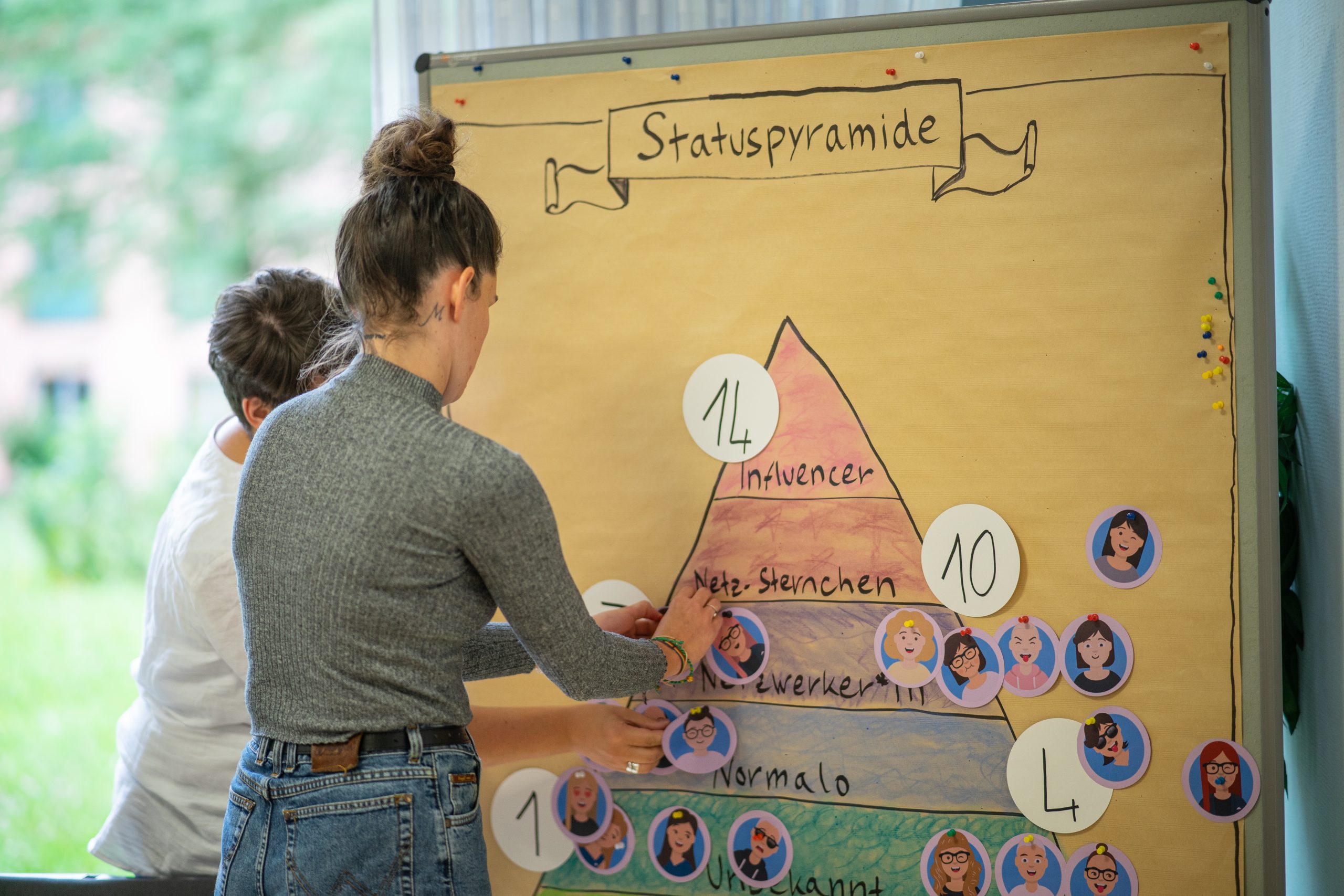
The curriculum consists of seven competence areas, and several subcompetencies, each with an introduction and two activities: one for exploration and one for deeper learning. The first five areas follow the DigComp 2.2 framework, while the last two were developed by us specifically for youth work. This blend ensures a solid foundation while also expanding into new, future-oriented fields. The clear structure allows trainers to combine modules flexibly across different formats.

Use
Flexibility is at the heart of the curriculum. The exercises are not meant to be complete workshops, but focus on the working phase of a seminar. With the right framing through introduction and reflection, they can become anything from a short two-hour session to a full-day seminar, a weekend training or even a complete series. Across all seven modules, the material adds up to 16 full training days and can be combined to suit very different learning settings.

Preparation
To bring the modules to life, only a few essentials are needed. The handbook materials can be used in print or digital form, and devices and internet access may be useful. For online or hybrid work, a video conferencing tool with breakout rooms and screen sharing is recommended, while hybrid formats also benefit from a projector, camera and microphone so everyone can join in. With these basics in place, the sessions become opportunities for exploration, exchange and shared discovery.

7 Competence Areas
The curriculum is organised into seven competence areas, covering everything from digital literacy to youth work practice.
29 Competences
Each competence area breaks down into several subcompetencies, giving trainers a clear roadmap for every session.
58 Activities
Every subcompetency comes with two ready-to-use activities — one for a first introduction, one for going deeper.
94 hours
Combined, the seven modules add up to roughly 16 full training days of material, ready to mix and match.
Data and information literacy
Module 1
Finding, evaluating, and managing digital data and information — the foundation for confident, critical use of digital sources.

Communication and collaboration
Module 2
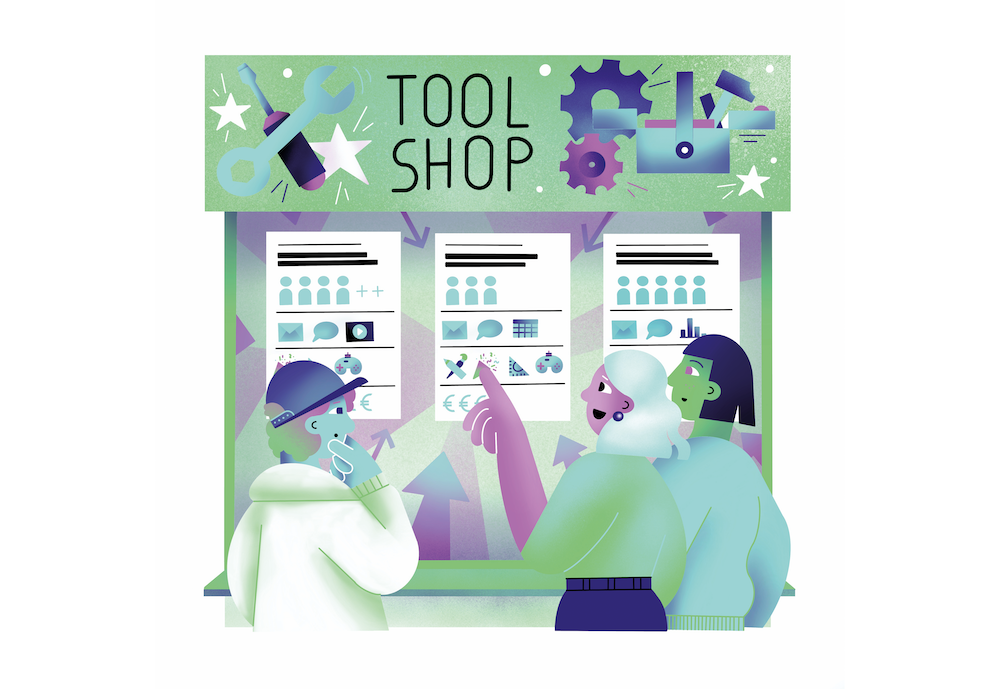
Communicating and working together through digital tools and channels, including netiquette and digital identity.
Content and media creation
Module 3
Creating, editing, and sharing digital content responsibly, including copyright and licensing basics.


Safety, wellbeing and responsible use
Module 4
Protecting devices, data, and personal wellbeing while using digital technologies safely and responsibly.
Problem identification and solving
Module 5
Identifying digital needs, solving technical problems, and using technology creatively to address challenges.

Digitality and society
Module 6
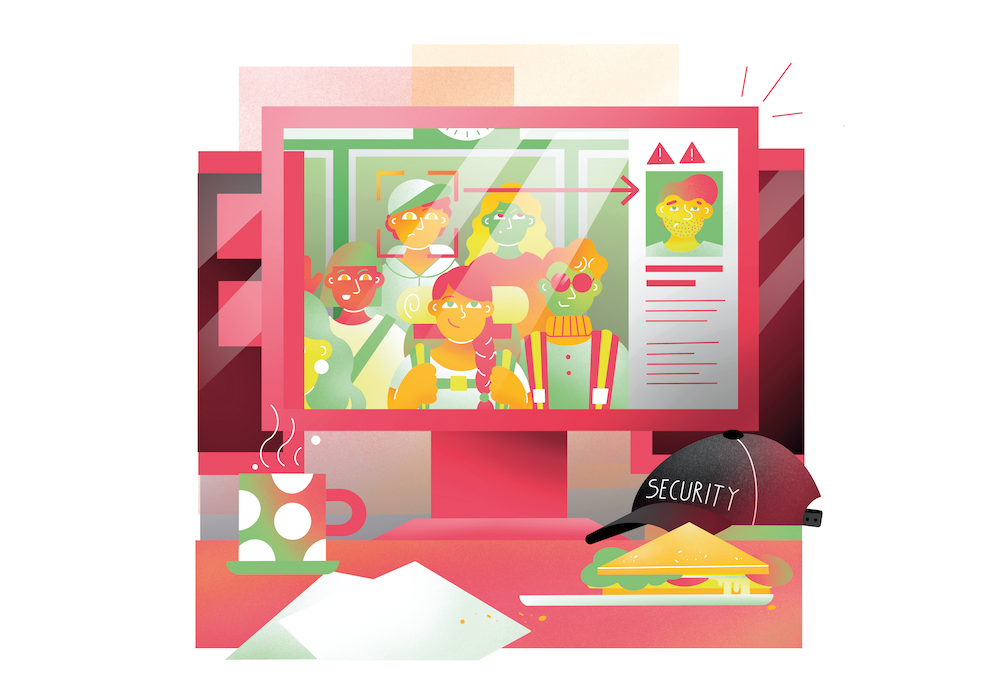
Understanding how digitalisation shapes society, participation, and everyday life.
Digitality and youth work
Module 7
Applying digital skills and tools in the everyday practice of youth work.